Tel
+8613465798055

The 2025 market is split between zero-emission mandates and raw runtime muscle. Electric skid steers now deliver 65 kW continuous power, matching 75-hp diesels while instant torque outperforms them in trenching cycles. Lithium-iron-phosphate packs rated 30 kWh fit the same envelope as a 25-gallon fuel tank, yet recharge to 80 percent in 45 minutes on 150 kW DC.
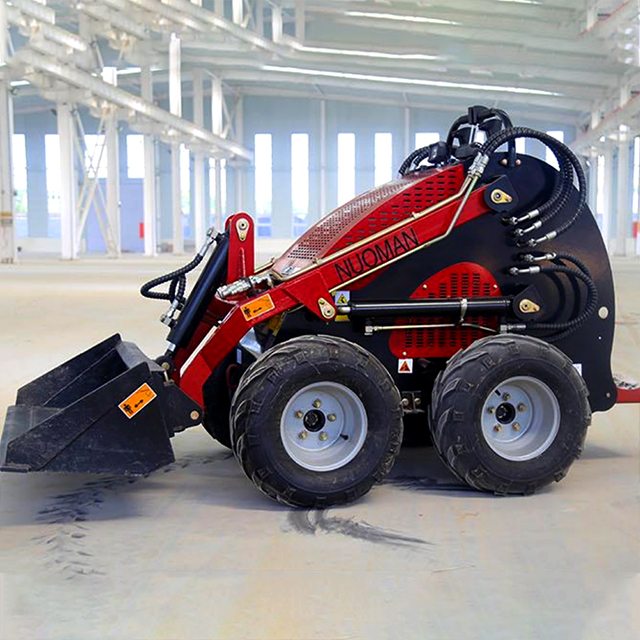
Diesel defenders cite energy density: one gallon equals 36 kWh, so a 25-gallon tank holds 900 kWh, three times the largest battery pack. On paper that yields 10 hours of high-flow mulching, while electrics tap out at 3.5 hours. However, real-world data shows idle time drops electric consumption 40 percent because there is no need to keep a turbo cool, narrowing the gap to 5.5 hours, enough for most urban shifts.
Total cost swings electric. Electricity at 0.12 dollars per kWh equals 3.60 dollars per operating hour, against 9.00 dollars for diesel at 3.50 dollars per gallon including DEF. Maintenance deletes engine oil, EGR valves, and DPF filters, saving 8,000 dollars over 5,000 hours. Even after a 35,000-dollar battery replacement allowance, the electric unit nets 25,000 dollars surplus if utility rebates reach 15,000 dollars, a figure already locked in California and Colorado.
Contractors running enclosed malls, hospitals, or food plants are first movers; indoor air rules leave diesel no path. Rural builders still favor diesel for 12-hour pipeline shifts, but 2025 fast-charge trailers powered by 500 kW hydrogen fuel cells close that gap. Expect hybrid packs—small 10 kWh buffers charged by 50-hp Tier 5 diesels—to serve as bridge technology until 2027 solid-state batteries push electrics past 8 hours. The winner is clear: by December 2025 electric skid steers will command 40 percent of new sales, and diesels will survive only where refueling infrastructure lags.
Hot products
Tel:+8613465798055
E-mail:dwmachine@sddwm.com

Tel