Tel
+8613465798055

Selecting the right skid steer loader begins with understanding your job site. Measure doorways, trailer widths, and turning space to decide whether a compact radial-lift unit or a larger vertical-lift machine is required. Next, calculate typical load weights; a 1,350-pound rated operating capacity covers most landscaping tasks, while 2,700 pounds is safer for concrete removal. Finally, list the attachments you already own; universal quick-attach plates save adapter costs and downtime.
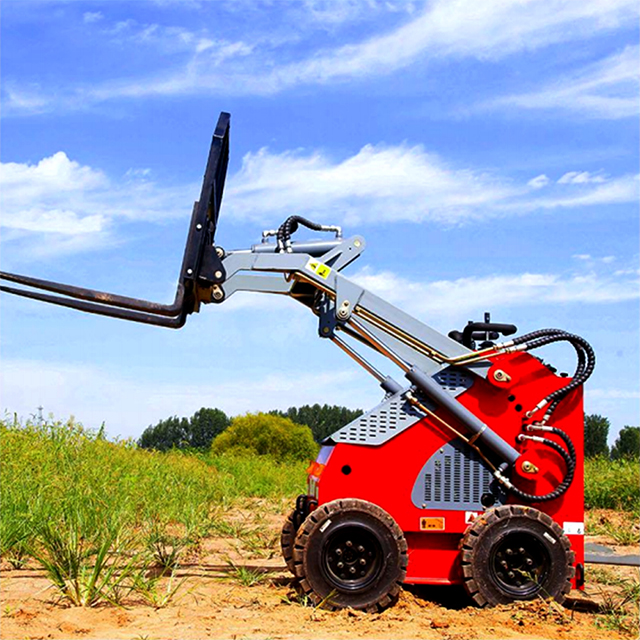
Engine power must match hydraulic demand. High-flow circuits above 30 gpm run cold planers and mulchers efficiently, but they also raise fuel burn by 15 percent. Ask dealers for third-party dyno sheets instead of brochure figures, and insist on a one-hour demo with your heaviest attachment. While testing, check that auxiliary lines stay below 180 °F and that the cooling fan reverses automatically—both predict long-term reliability.
Budget math goes beyond sticker price. Add expected resale value after 3,000 hours, then subtract fuel, oil, and planned maintenance. A premium brand that retains 60 percent of its cost often beats a budget unit that keeps only 35 percent. Negotiate a five-year power-train warranty and confirm that local parts depots stock spin-on filters and final-drive seals; overnight freight can erase a year of depreciation savings.
Close the deal with operator comfort. Joystick steering reduces wrist strain on long grading shifts, and a pressurized cab rated at 75 dB lets crews work past new municipal noise bylaws. Order factory-installed rear-view camera and LED work lights; retrofits cost triple and void cab sealing. Sign only after the dealer agrees to load the first service update over-the-air, ensuring your new loader leaves the yard ready for any terrain.
Hot products
Tel:+8613465798055
E-mail:dwmachine@sddwm.com
Tel